Exclusive 1:1 Coaching
Reclaim Your
Vitality Through Breath.
A science-based approach to correcting dysfunctional patterns. Not just exercises, but a meticulous continuum process to helping you breathe functionally for life.
Why Learn Breathing Exercises?
Do stress, anxiety, poor sleep, or fluctuating mood and energy feel like a daily battle?
Our modern lives keep the nervous system on constant alert, and most of us were never taught how to bring it back into balance.Breathwork offers a fast, safe, evidence-based way to regulate your system in minutes. It’s one of the simplest tools to create calm, clarity, and emotional steadiness — without needing hours of practice or years of training.
learn the benefits
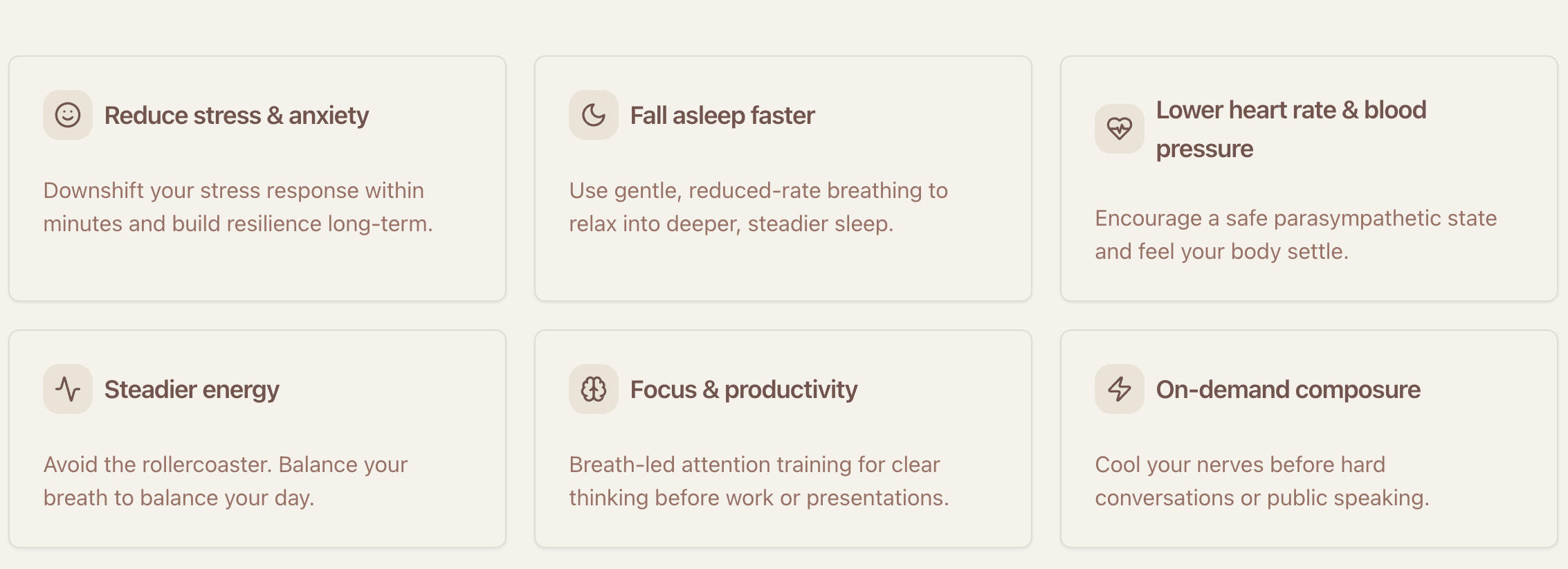
What breathing can do for you
did you know?
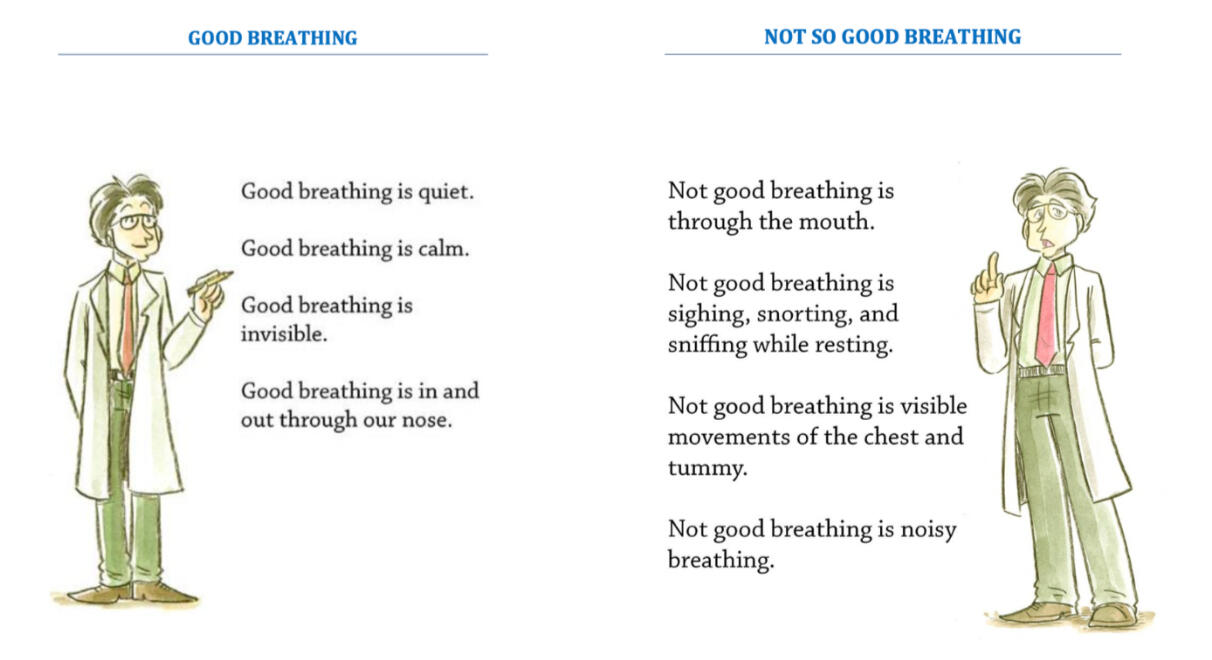
CO2 is Your Friend: The primary goal of most breathing exercises is to regulate carbon dioxide (CO2) in the blood, not oxygen. CO2 should be seen as a metabolic byproduct, not a toxin, and it is crucial for optimal respiratory health and nervous system balance. Most people breathe excessively, not in shortage; therefore, we need to learn to slow down and optimize CO2.
Slow Breathing = More Oxygen Absorption: Logically, you might think that if you breathe fast, you will get more oxygen, right? Wrong. In fact, if you inhale and exhale rapidly for a few minutes, you will become dizzy and may even faint. The Bohr Effect explains that when there is more CO2 in the blood due to slow breathing, it becomes easier for hemoglobin to release oxygen to the body’s tissues.
Simple Practices = Profound Results: My first serious pranayama teacher taught me 15 different breathing exercises with Sanskrit names that were hard to pronounce. As we progressed, we learned dozens more. I’m a yoga nerd and love all this, but, to be honest, it was overwhelming and too complex. Here’s what you need to know: every breathing exercise affects your nervous system in one of three ways – a parasympathetic response, a sympathetic response, or a balanced response.
Guided by Science,
Grounded in Experience.
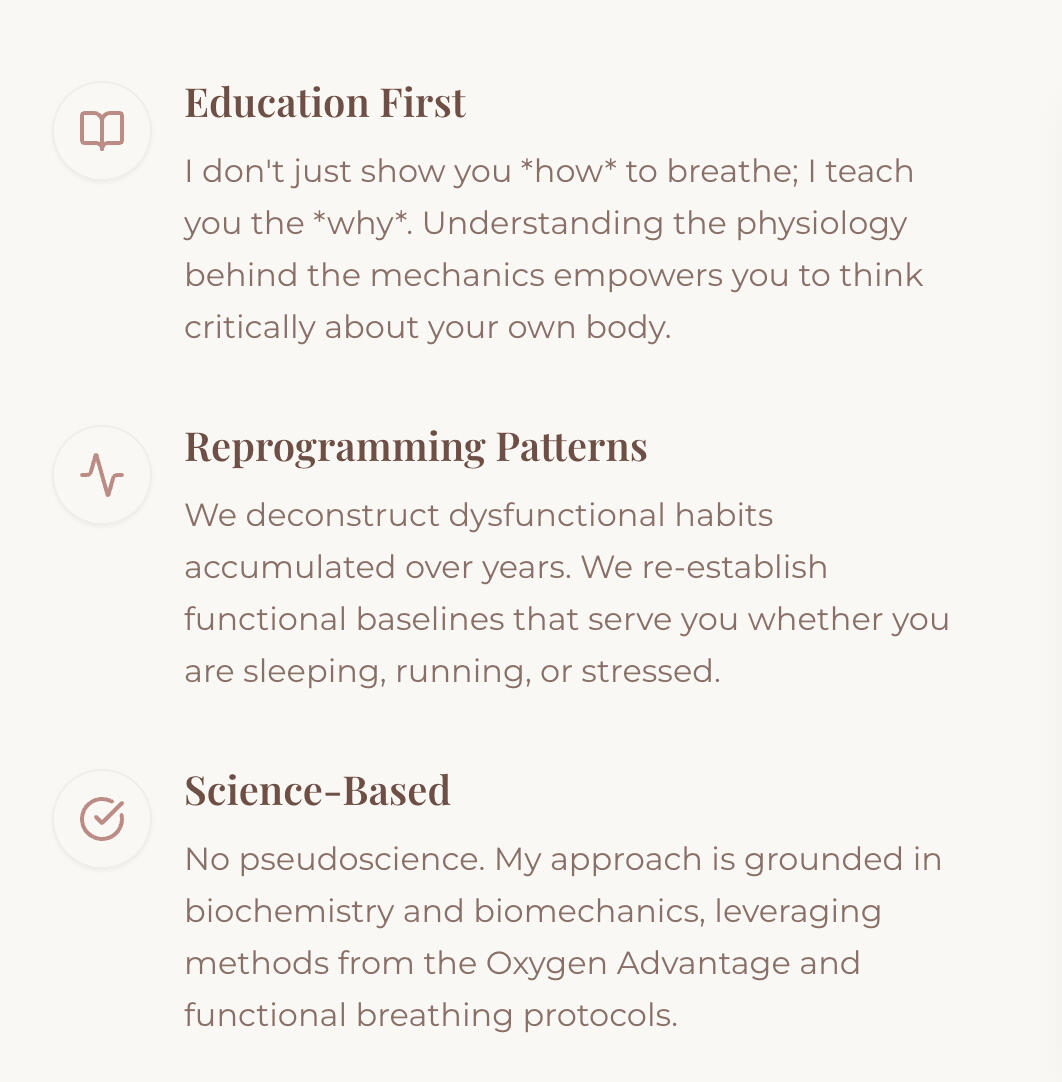
My journey into breathwork wasn't just professional; it was personal. After 500+ hours of yoga teacher training and becoming a certified Oxygen Advantage instructor, I realized that breath is the missing pillar of health.I help you make better decisions for your unique circumstances by handing you the knowledge I've spent years accumulating. We don't just "breathe deep"—we breathe right.There are many powerful mind-body techniques, but most take time to master.
Breathwork is different: it’s accessible and immediately effective. When you learn how your breathing truly works, you gain a self-regulation toolkit you can use for life — to ease stress, improve sleep, support digestion, and stabilize your mood.

Science-Backed Practices Honed Over 1,000+ Years
Breathing practices have been used for thousands of years, long before modern science could explain why they work. Today, we have a growing body of research confirming what ancient pranayama practitioners discovered through experience: our breathing patterns reflect the state of our nervous system — and we can deliberately change the way we breathe to shift that state. In other words, how you breathe can have an immediate impact on your autonomic nervous system and how you feel, moment to moment.Few mind-body tools act as quickly or as powerfully as the breath. Skillful breathing can lower heart rate, reduce blood pressure, and even influence blood pH within minutes. Once you understand how it works, you carry a reliable, science-based self-regulation tool with you everywhere — a portable way to calm, reset, and take care of yourself, anytime you need it.
Why Breath Training Matters On and Off the Mat
Breathing for Yoga
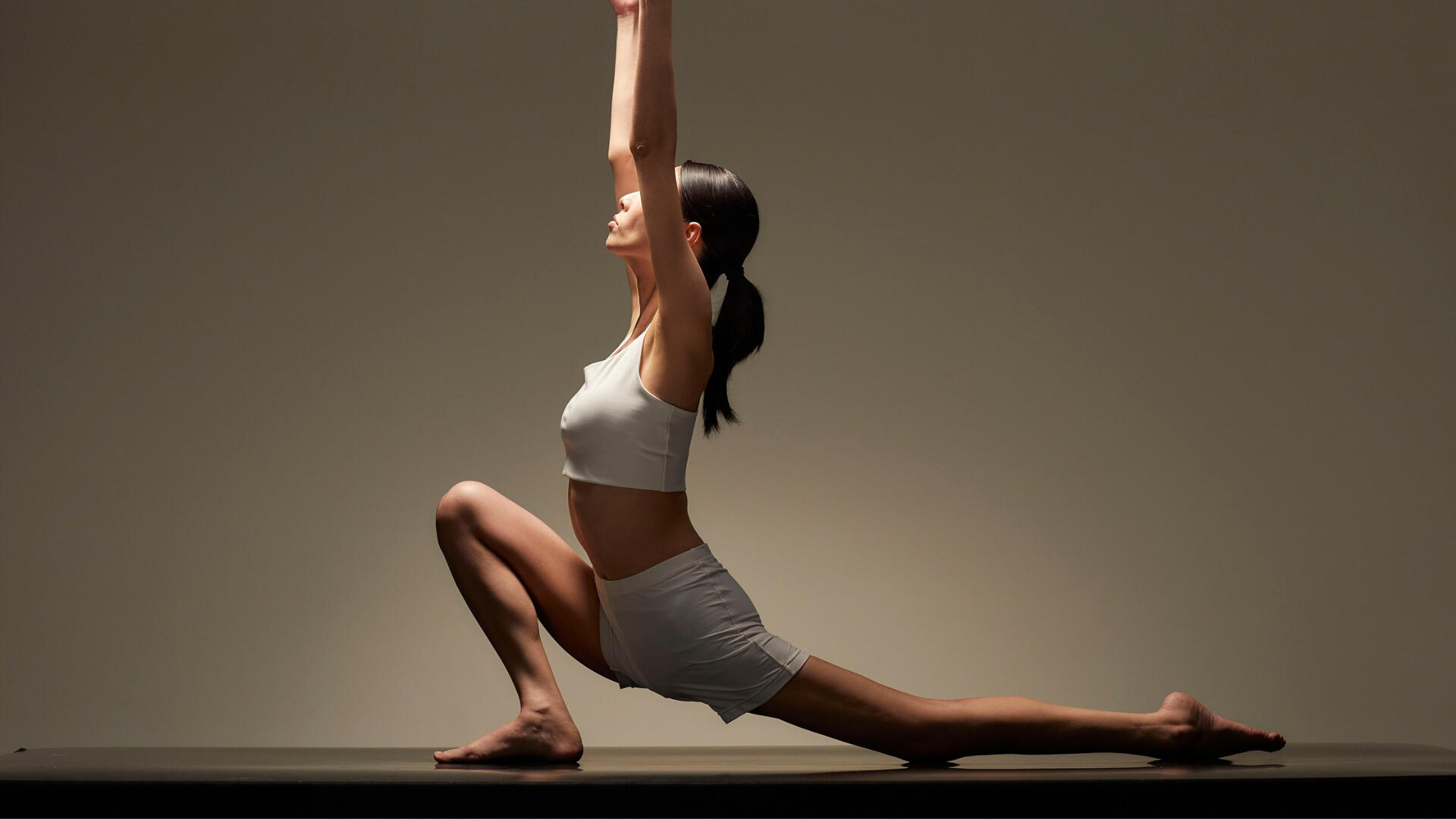
Breathwork is more than just an exercise—it’s an essential practice that supports our physical and emotional well-being both on and off the yoga mat. For yogis at any level, learning to breathe optimally is crucial for ensuring that each breath meets the body’s metabolic needs. Without proper breath training, the natural balance of our bodily systems can easily be disrupted, impacting our health over time.
Despite its importance, many people overlook breath training, assuming it’s something we simply “know” how to do. After all, breathing is automatic, right? However, our habitual breath patterns can often be dysfunctional, leading to compensatory mechanisms that become our norm.Over time, these patterns affect how we feel and function daily.
In yoga, we are encouraged to focus on breath awareness, yet this often fades once we step off the mat. Whether practicing yoga, working, or playing with our children, how we breathe directly affects our strength, balance, and overall vitality. For example, breathing lightly and steadily during yoga poses helps ease transitions and deepens our practice. But this controlled, mindful breathing doesn’t come naturally—it requires training and awareness to carry it into everyday life.Training ourselves to breathe optimally, even outside of yoga practice, has profound effects. It supports resilience, promotes calm, and strengthens the connection between mind and body, enriching every aspect of life. So, the next time you’re on or off the mat, remember: every breath has the power to transform.
Contact
Donec quis fringilla arcu lorem ipsum dolor sit amet nullam. Consequat adipiscing phasellus rhoncus volutpat. Suspendisse dictum volutpat orci sit amet consequat. Duis fermentum urna et ligula lacinia faucibus efficitur.
1234 Somewhere Road
Nashville, TN 00000000-000-0000
[email protected]